Arabic Gum comes from the dried, hardened sap of two Acacia tree species — Acacia senegal and Acacia seyal — grown across the semi-arid "Gum Belt" of Africa's Sahel region. Harvesters collect the hardened sap by hand from a small cut in the bark, without felling the tree, which is why the same acacia can be tapped again in seasons to come.
Which trees actually produce Arabic Gum?
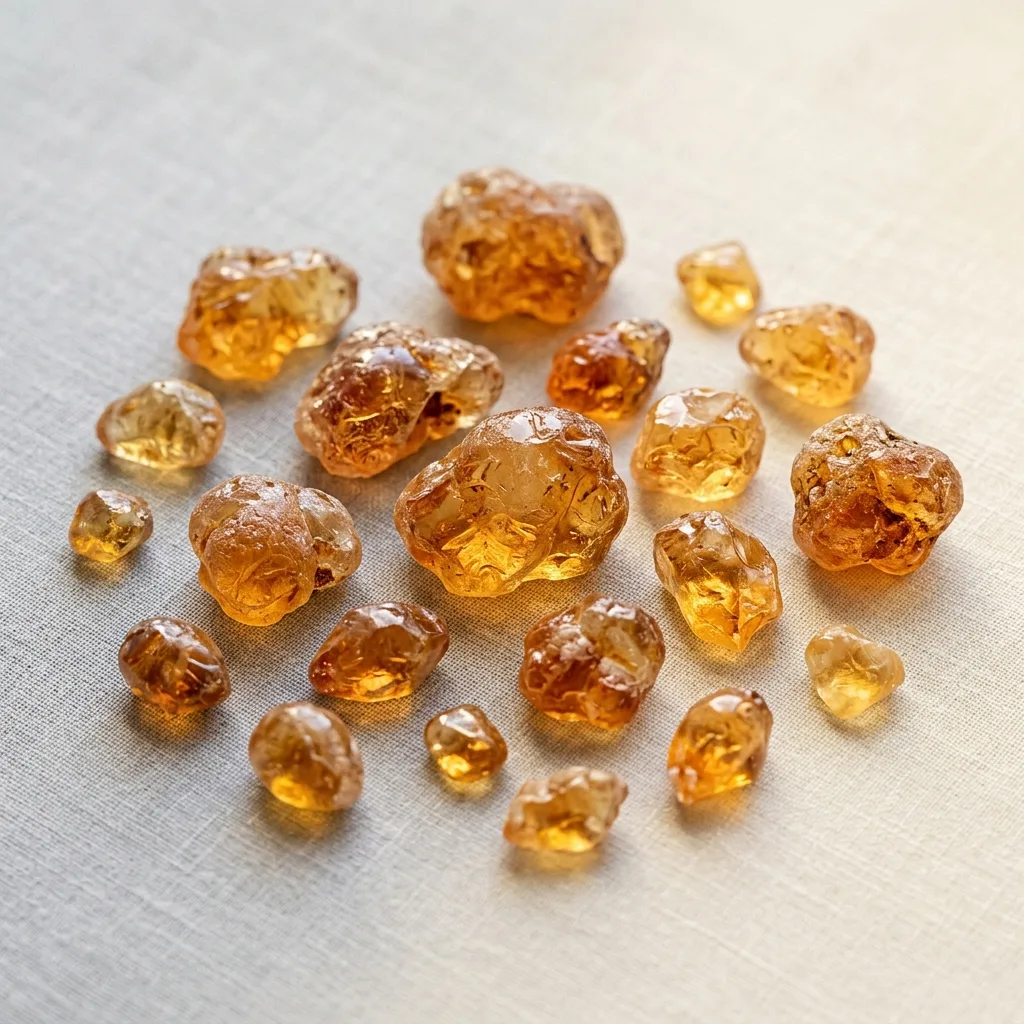
Almost every food label that lists "gum arabic," "gum acacia," or the additive code E414 is describing sap from one of two related Acacia trees: Acacia senegal and Acacia seyal. Both are hardy, thorny trees native to the drier belts of Africa, and both exude a natural sap when the bark is cut. That sap hardens on contact with air into pale, glassy nodules — the raw form of what eventually becomes the fine powder in a Sihatree pack. "Gum arabic" and "gum acacia" are simply two names for the same tree sap; Sihatree's product label uses "Arabic Gum" for the same ingredient.
Where in the world does Arabic Gum grow?
Acacia senegal and Acacia seyal grow across a wide band of semi-arid savanna stretching through Africa's Sahel — the transition zone between the Sahara Desert and the wetter savanna further south. This region is sometimes referred to informally as the "Gum Belt." Sudan has historically been the largest producer of Arabic Gum in the world, with Chad, Nigeria, and several other Sahel countries also growing and exporting it — a crop suited to dry, low-rainfall land where few other cash crops thrive.
How is Arabic Gum harvested — and does it harm the tree?
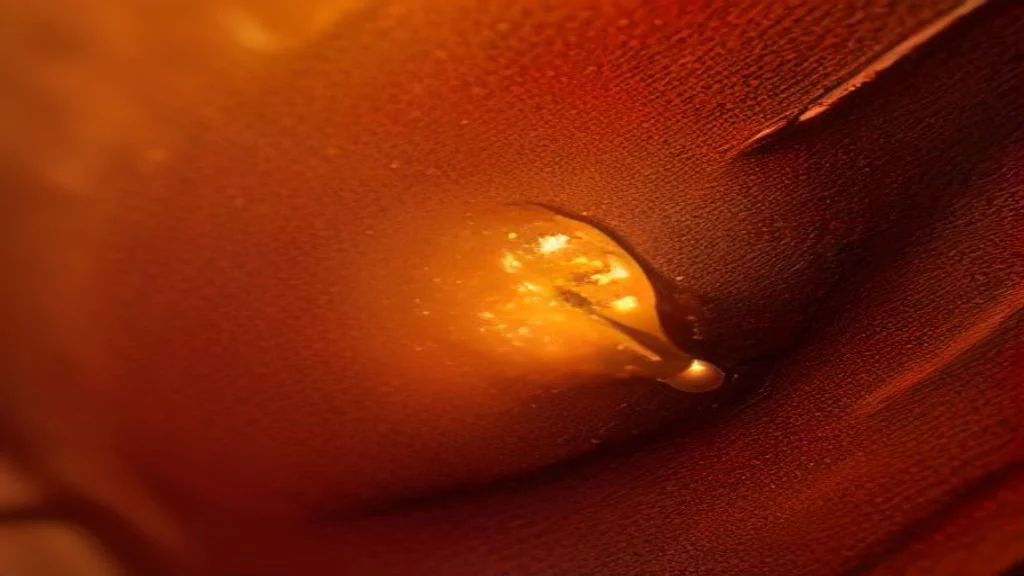
Harvesting Arabic Gum doesn't involve cutting the tree down. A harvester makes a small, deliberate incision in the bark, and the tree responds the way any tree responds to a wound: by sealing it. In acacia's case, that sealing process means exuding sap, which slowly hardens in the open air into solid nodules over several weeks. Once hardened, harvesters return and pick the nodules off by hand. Because the tree itself isn't damaged beyond the original cut — which it has already sealed by harvest time — the same living tree can be tapped again in a future season, year after year. That's what makes it a renewable, repeatable harvest rather than a one-time extraction.
Two Source Trees
Acacia senegal and Acacia seyal supply almost all Arabic Gum.
The Sahel "Gum Belt"
A semi-arid band across Africa, led historically by Sudan.
Hand-Harvested Nodules
Hardened sap is picked off the bark by hand, not machine.
Renewable Harvest
No tree is felled — the same tree is tapped season after season.
Drought-Resistant Tree
Used in land-restoration projects across the Sahel.
Cleaned, Dried, Milled
Raw nodules are refined into the fine powder in every pack.
Why is acacia farming considered good for the environment?
Acacia trees are known for tolerating drought far better than most cultivated trees, which is exactly why they're widely planted in land-restoration and agroforestry projects across the Sahel. Acacia is one of the species used in Africa's "Great Green Wall" initiative, a large-scale reforestation effort spanning the width of the continent that aims to hold back desertification and stabilise degraded soil. Sihatree and Berkat Madinah Store aren't formally part of any such programme — this is simply a well-documented characteristic of the species itself, and one reason acacia is often described as a naturally sustainable tree crop.
Try Arabic Gum From the Source
Halal-friendly Arabic Gum Powder in 5 flavours, made from purified acacia sap — shop retail or enquire wholesale.
How does raw gum become the powder in Sihatree's packs?
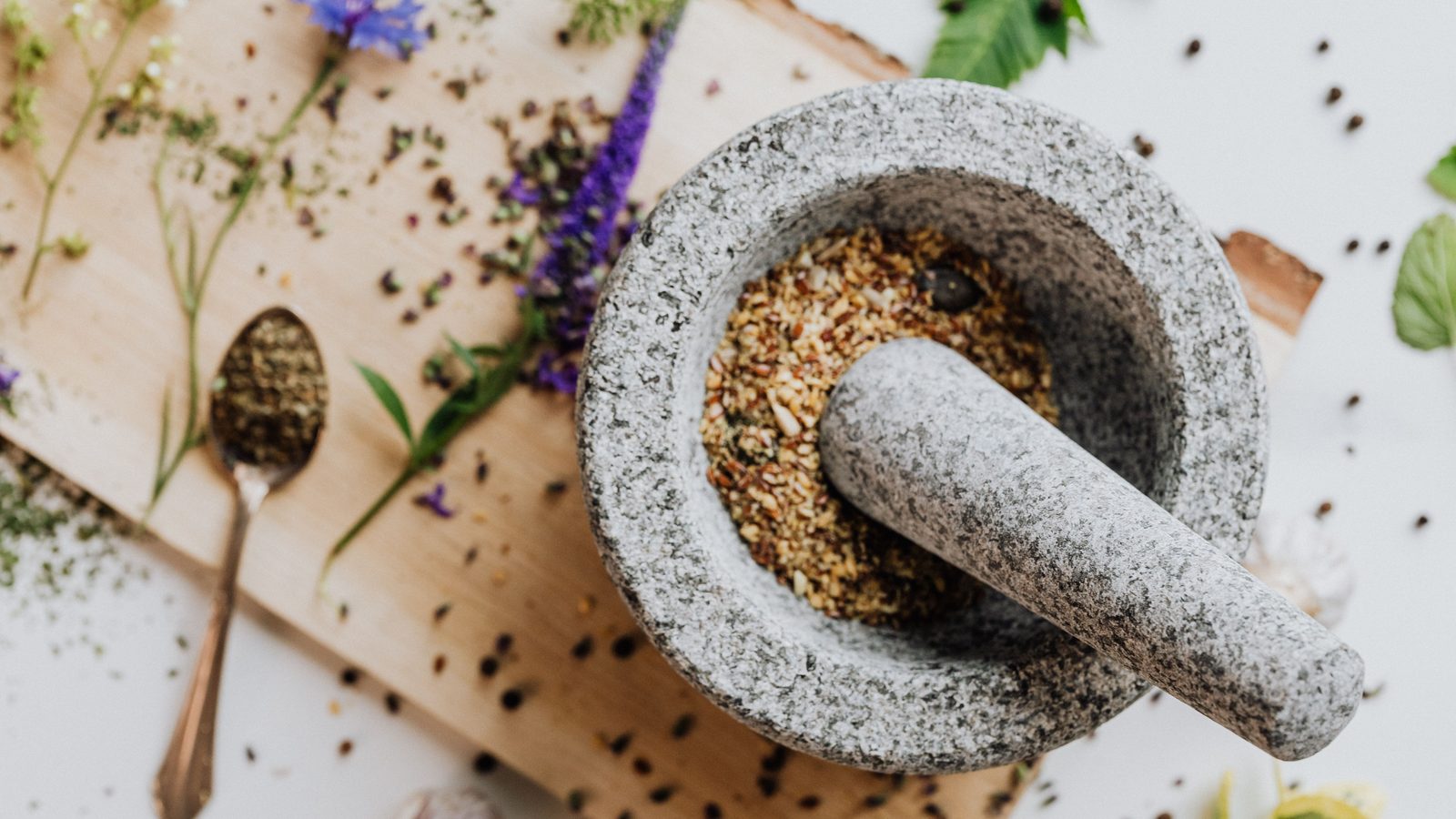
The hardened nodules collected from the tree aren't ready to drink as they come off the bark. They're cleaned to remove bark fragments and dust, then dried, then processed — typically dissolved in water, filtered to remove impurities, and spray-dried back into a fine, soluble powder. That refined powder is what's milled and packed into Sihatree's 150 g pouches. For what the finished powder actually does once it's stirred into a glass of water, see our guide to benefits and daily dosage.
Is Arabic Gum from acacia trees recognised as safe to eat?
Yes. Once processed, Arabic Gum carries food-safety approval in major markets — it's registered as food additive E414 in the EU, listed as Generally Recognized as Safe (GRAS) in the US, and has been reviewed by the joint FAO/WHO Expert Committee on Food Additives (JECFA). That regulatory history is covered in more depth in our scientific research article — this article focuses on where the raw ingredient comes from, not its safety data.
A pack of Arabic Gum starts life as a few drops of sap sealing a small cut in an acacia tree's bark — the rest is cleaning, drying, and milling.