
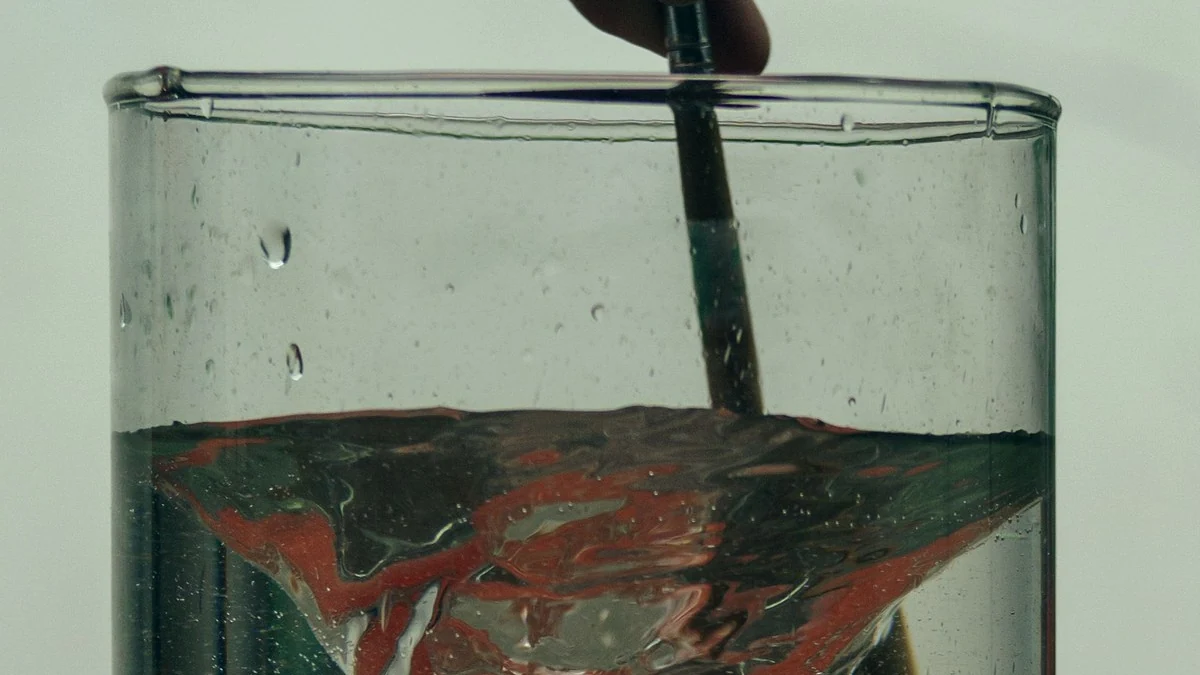
Acacia gum vs guar gum comes down to two different plants doing two different jobs: acacia gum is the dried sap of the Acacia tree and dissolves into water without thickening it, while guar gum is milled from the seed of a legume and thickens liquid at low levels. Same aisle, different purpose.
Is acacia gum the same thing as guar gum?
No. Acacia gum, also called gum arabic, is the dried sap of the Acacia tree — Acacia senegal and Acacia seyal. Guar gum is milled from the seed endosperm of the guar bean, a legume. Both are plant-derived soluble fibres used in food, but they are separate ingredients with separate entries on a label.
Acacia gum, gum arabic and Arabic gum all name the same tree sap — see the naming guide. Guar gum is not in that family.
Where does each gum actually come from?
Acacia gum is a sap, collected by tapping the bark of Acacia trees across Africa's Sahel "Gum Belt" without felling the tree. Guar gum is a seed product: the guar bean is grown as a field crop, and the endosperm inside its seed is milled into powder. Sap versus seed is the cleanest way to hold the difference.
How do acacia gum and guar gum compare side by side?
The useful contrast is not which fibre is stronger, but what each one does to a liquid. Acacia gum goes into water and largely disappears. Guar gum goes into a liquid and changes its body. That difference explains why one is sold as a drink powder and the other reaches you already mixed into something else.
| Point of difference | Acacia gum (gum arabic) | Guar gum |
|---|---|---|
| Plant source | Acacia senegal, Acacia seyal | Cyamopsis tetragonoloba, the guar bean |
| Plant part used | Dried sap from the bark | Endosperm inside the seed |
| Type of plant | Tree | Legume |
| Additive code | E414 | Listed separately on ingredient panels |
| Behaviour in water | Dissolves; the water stays thin | Thickens and gels at low concentrations |
| Typical use | Stirred into a glass as a fibre powder | A thickener inside manufactured food |
Looking for the Drink-Powder One?
Sihatree Arabic Gum Powder is acacia gum, milled for a glass of water.
Why does guar gum thicken water when acacia gum does not?
It is the defining property of each one. Guar gum is valued precisely because a small amount changes how a liquid pours and holds together, which is why manufacturers use it as a thickener. Acacia gum does the opposite: it dissolves, and a full glass still drinks like water.
Both plant-derived
Neither gum is animal-derived.
Sap, not seed
Hardened sap, tapped from a living tree.
Seed, not sap
Milled from the endosperm of a legume seed.
Thin glass
Acacia gum dissolves without thickening the water.
Built body
Guar gum adds body at low levels.
Different jobs
One is stirred in at home, one used in production.
Does it matter that guar gum comes from a legume?
It matters to anyone who avoids legumes. Guar gum is made from a bean, so it sits in the same broad plant group as peas, lentils and chickpeas. Acacia gum is tree sap, outside that group entirely. If you have a diagnosed food allergy, ask your doctor rather than a label.
Which gum fits what you are actually looking for?
Work backwards from the job. If you want a soluble fibre to stir into a glass of water and drink, that is acacia gum, additive number E414. If you are reading a label and wondering why a sauce or a dairy drink holds together, that is far more likely to be guar gum doing the thickening.
Neither is a medicine. EFSA and JECFA assessed acacia gum for food safety, a different question from health outcomes — see what the evidence actually supports. Comparing two drink-ready fibres? The Arabic Gum and psyllium husk comparison fits better.
Choose by the job: acacia gum for a fibre you can drink, guar gum for why a manufactured food holds its texture.


